

#MWStudyBuddy 007 - March 2026
Your free monthly newsletter of targeted MW study resources
There are now over 440 subscribers to this newsletter - many thanks to you all! Feel free to keep in touch by replying to this email or using the subscriber chat. Requests and suggestions are always welcome.
Happy studies,
Richard.
Theory
Paper one
Pests and diseases are a common topic for P1. This pest management guide is a comprehensive guide for growers in Oregon. The level of detail goes beyond what you need, but includes helpful tables of reference – for example, the level of Botrytis risk depending on bunch temperature and duration of wetness.
This article describes a relatively recent vine disease called red blotch, which includes examples from treatment cost to vector management.
Paper two
A good shortcut to getting examples is to use trade supplier resources. This yeast reference chart from Lallemand shows the various qualities of different yeast strains. Then, by searching for the yeast brand name you can often find producers that use it; for example, EnoFerm BDX was used for this Merlot from Tarrawarra.
The AWRI’s YouTube channel is a good archive of videos about vinification, such as this webinar on how gas can be used in wineries.
Paper three
Once again, Jamie Goode has produced an invaluable report: this is a detailed review on reduced-alcohol wines, including clear descriptions of how the technology works, featuring specific examples related to cost, volumes, stabilisation and impact on flavour.
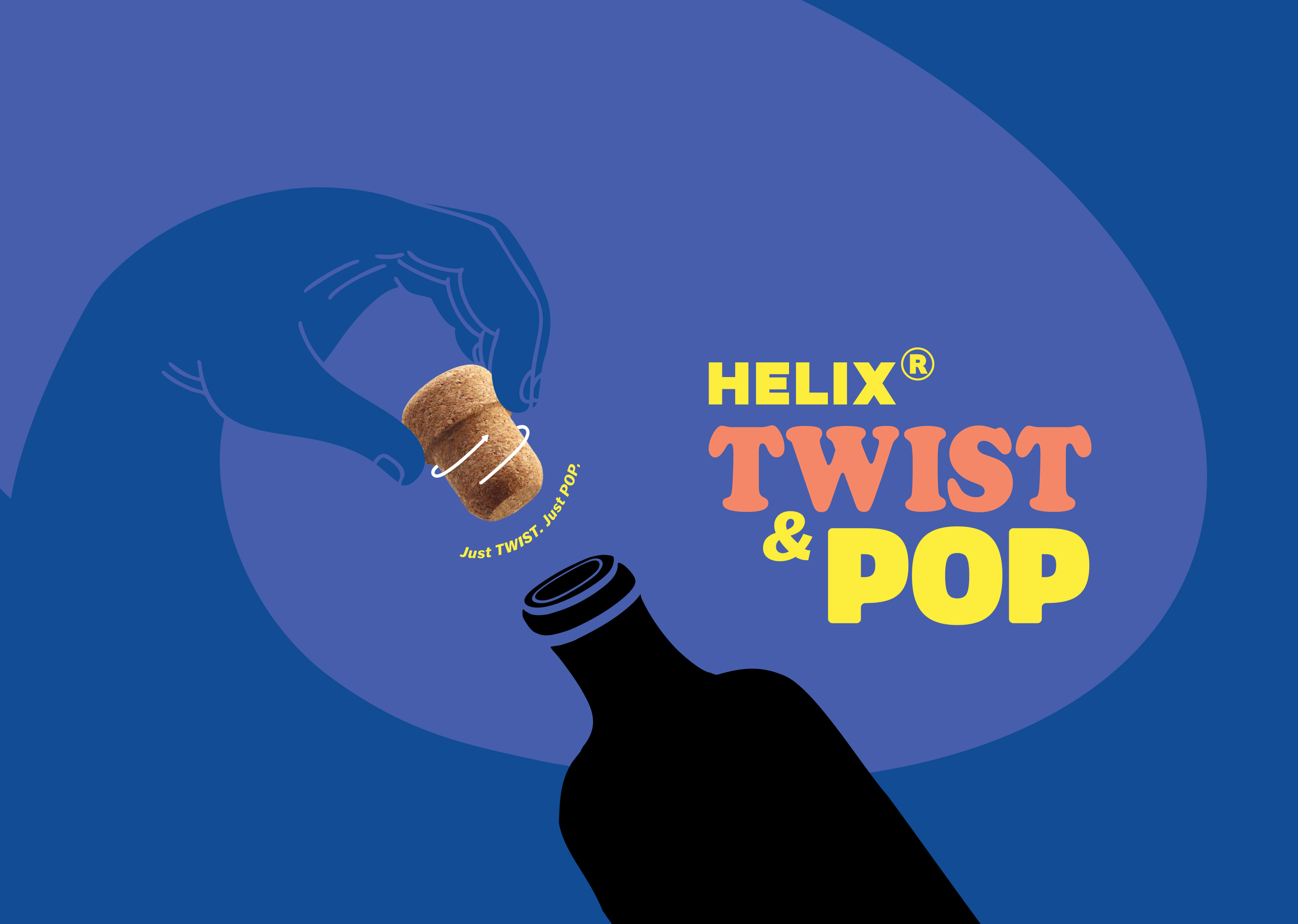
The Amorim Helix cork is an agglomerate stopper that can be removed from a bottle without a corkscrew; you simply twist it out of the bottle. The technical data sheet is here. (Plus, as a side note, when this was first introduced back in 2013 (when I was still studying) the Helix cork was threaded, and needed a specific bottleneck – the new version looks much more adaptable.)
Paper four
“Our shipping cost to ship a 6-bottle package 2nd-day air to the east coast is around $80. Add a 19% fuel surcharge and we’re paying over $95. A full case costs us around $165. Ground shipping is much less exorbitant, but it’s still not cheap. Sending six bottles within California costs us about $37 with the fuel surcharges, and a case costs us about $48. That same case to the east coast costs us about $75. In total, we spent just over a million dollars on shipping last year, which was almost 10% of our total revenue.” At Tablas Creek in Paso Robles, this blog post is full of useful stats about the cost of wine shipping.
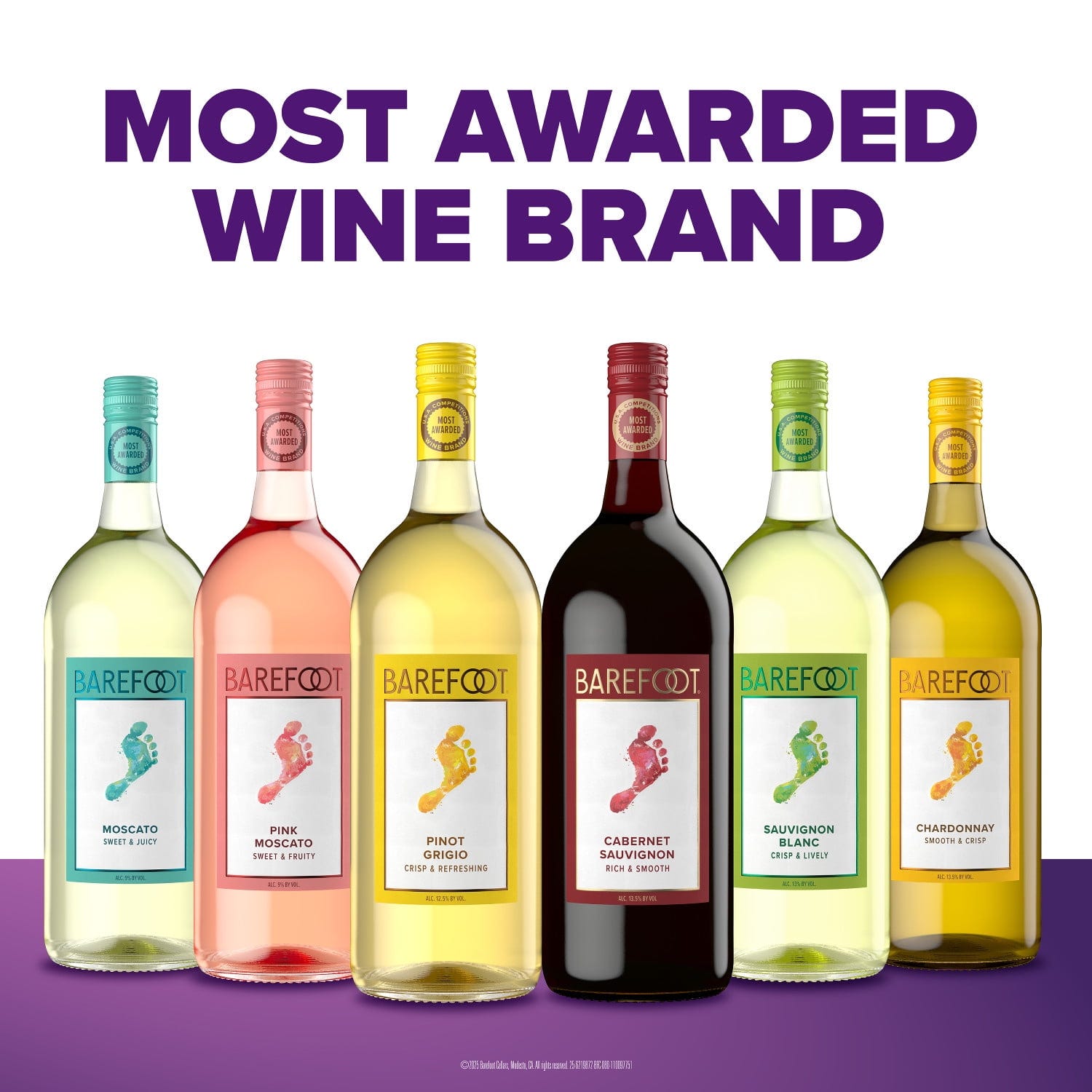
Even though it is from 2014, this interview with a co-founder of Barefoot has some great insight into building a wine brand.
Paper five
The current state of the Chinese market is outlined in this a stat-filled review of recent import data from the ever-reliable Jim Boyce.
‘The first time I made a Montrachet, I bought the grape must for €42,000 a barrel. That was 15 years ago. Today it’s €200,000’ according to Laurent Ponsot, this is the difference in the price of Montrachet grapes in Burgundy - a five-fold increase in 15 years.
Also, paid subscribers can see my recent post considering what P5 topics are most likely to come up in this year’s exam:

Practical
When I was studying, I never found dry notes useful, but I’ve recently found a way that is more effective. Ask someone to imagine a set of wines that fits a past exam question – for example, ‘Wines 1-6 are all made from a single variety and come from six different countries’. Then ask them to write dry notes for those wines using your note template - the grid or X (or another system). That gives them the practice of describing prototypical wine characteristics, while you get the challenge of identifying wine from someone else’s notes.
Repeated re-tasting of a wine doesn’t help, in my experience. It’s a natural instinct when you are uncertain of a wine’s identity, but it wastes time, and your nose can become desensitised – so re-tasting isn’t likely to create a sudden realisation. Instead, when you are drawing a blank, it’s better to leave that wine for as long as you can, answer some of the other questions first, then return to it. That will allow the wine to open up in the glass, and it gives your palate a fresh start.
Research Paper
The subscriber chat has an ongoing conversation about a Stage 3 student’s RP, illustrating how the proposal stage evolves.
Reading academic papers can be a good way to get inspiration for your RP subject and methodology. Two sources to check out are the Association of Wine Economics working papers and articles from the International Viticulture and Enology Society.